Feedback sought during April 2026 and May 2026.
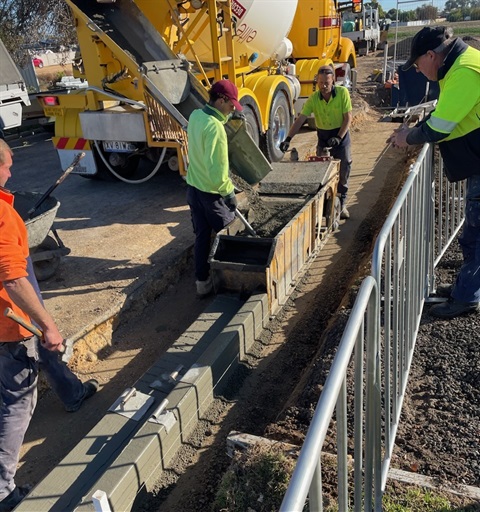
Adopted in August 2026, the Gannawarra Urban Stormwater Management Plan 2026–2036 will guide how Council manages its urban stormwater network during the next 10 years.
Developed to ensure Council complies with the Environmental Protection Act 2017 (Victoria), the plan will guide Council’s planning, prioritisation, delivery and reviewing of urban stormwater networks at Cohuna, Kerang, Koondrook, Leitchville, Murrabit and Quambatook for the next 10 years, while remaining adaptable to changing risk, funding availability, climate conditions and growth pressures.
The plan features 16 municipal-wide actions that can be undertaken to improve urban stormwater maintenance across the Gannawarra, including the development of a proactive stormwater maintenance schedule for each township, and progressing a staged program to improve resilience of critical stormwater pump systems across the municipality, including remote monitoring, enhanced maintenance and contingency measures for power outages and pump failures.
Various actions are also listed for Cohuna, Kerang, Koondrook, Leitchville, Murrabit and Quambatook, which feature local solutions to stormwater management.
To view the Gannawarra Urban Stormwater Management Plan 2026–2036, please click here.
Residents were encouraged between April 2026 and May 2026 to have their say on the draft version of this document. To view the Draft Gannawarra Urban Stormwater Management Plan 2026–2036, please click here(PDF, 2MB).
How residents had their say
Residents were able to have their say on the draft Gannawarra Urban Stormwater Management Plan 2026–2036 during April 2025 and May 2025 in one of the following ways:
- By completing a Have Your Say form, which was available on this page and from Council’s Customer Service Centres at Cohuna and Kerang
- By emailing Council.
- By writing to Council.
- By phoning Council.
What you said
Council received five submissions during the community engagement period. The majority of these submissions related to localised flooding and drainage performance issues, which are already reflected in the township risk assessments and proposed actions; however, several amendments were made to strengthen recognition of cultural heritage, Traditional Owner engagement and cultural values.